immigration

makeup, cosmetics, glass-3081015.jpg

The Russian make-up brigade

Early in January, I spent a weekend at a planning retreat for Limmud FSU Canada (it’s the first ever Limmud FSU in Canada, and yes, expect to hear more from me about it soon). We were all asked to bring an artifact that spoke to our Russian selves, and as part of the identity-digging activity that accompanied the artifacts, I ended up writing a series […]
The Russian make-up brigade Continue Reading

Maxim Shrayer memoir - Leaving Russia Interview

Leaving Russia: An interview with Maxim Shrayer on his new memoir

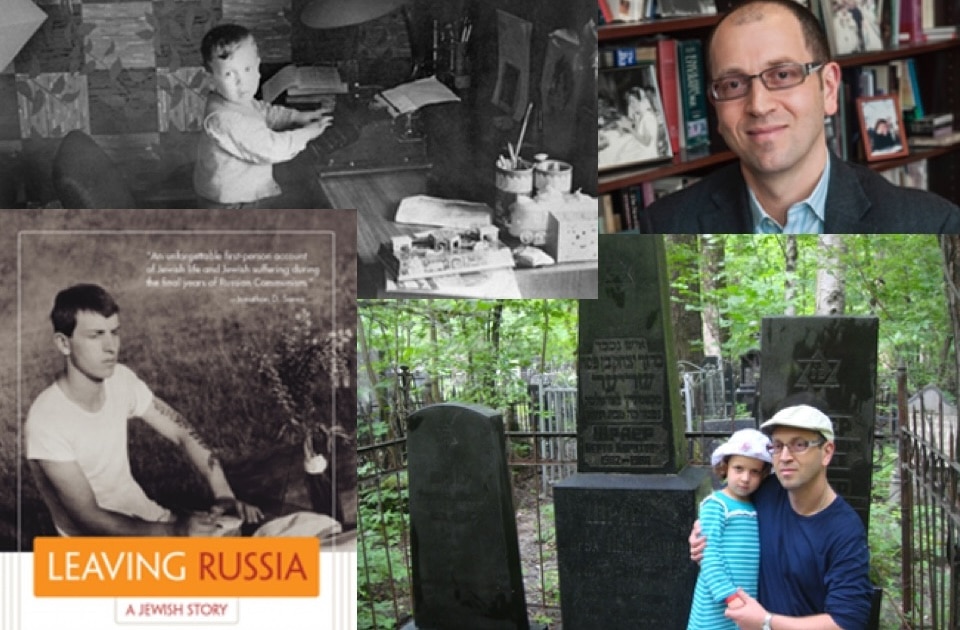
[Editor’s Note – Want to read this in Russian? Click here to read a translation of my Q+A on Booknik.ru] Memoirs about Soviet-Jewish life during the immigration period of the 1970s and 1980s have not yet saturated the memoir genre, so I’m excited to tell you about a new book that’s just come out this month. Leaving Russia: A Jewish Story is the second memoir by writer

Leaving Russia: An interview with Maxim Shrayer on his new memoir Continue Reading

Vintage Russian phone found in Moscow illustrating how immigrants keep in touch

With so many ways to keep in touch, let’s never talk again

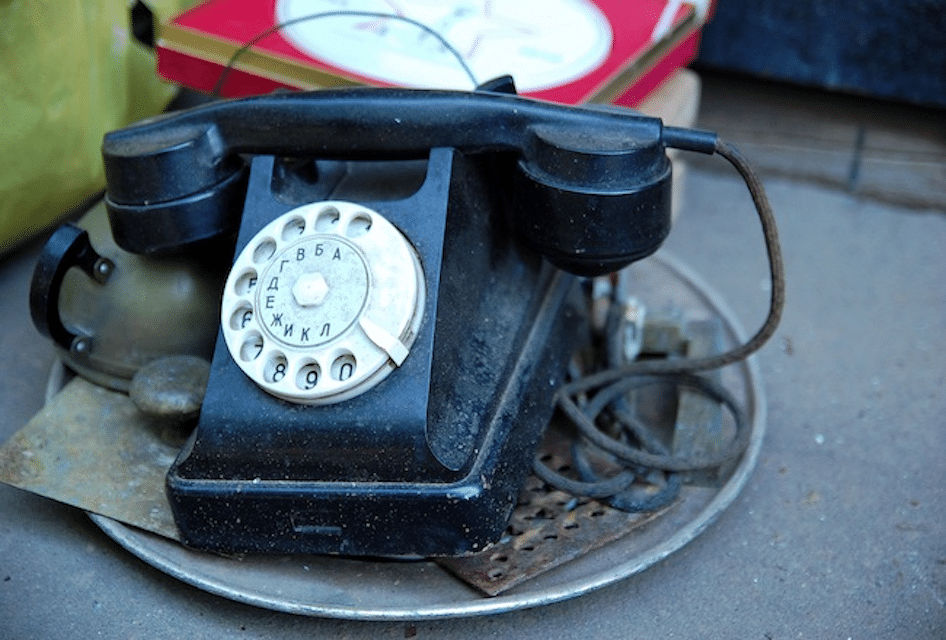
I spend a lot of time downloading Facebook photos, uploading them to an email and sending them to my parents, where, I suspect, they will sit for all eternity in their inboxes. We, like most families, used to have albums, but now we have attachments we will never find again. As usual, we have an extra layer of “how immigrants keep in touch” on top

With so many ways to keep in touch, let’s never talk again Continue Reading

Vyertolyet - or wooden helicopter toy - a word I often forget in English

Apparently, there are words I still don’t know in English. Like apron.

I forgot the word for helicopter the other day. For the rotor, actually. And I didn’t forget so much as remember it in the wrong language. My brain froze up and then offered me nothing but a very Russian “vyertolyot“. The end result is that I have a toddler who will never know what those non-airplane things in the sky are called. I actually have

Apparently, there are words I still don’t know in English. Like apron. Continue Reading

building, ruin, kgb-701008.jpg

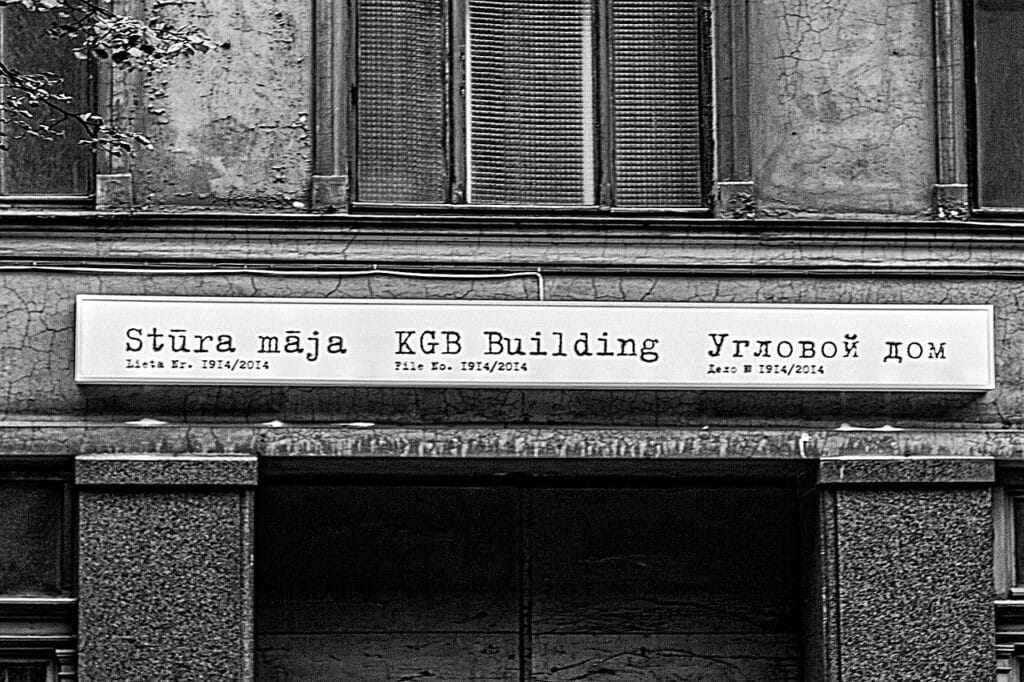
My KGB file – Yes, there was probably a file with my name on it

*Updated at bottom Excuse me while I continue to geek out on Soviet government memos… As I flip through, I’m continually amazed at the level of specificity in these memos, and to realize that “Big Brother” genuinely read all letters received from North American activists and government officials. (Paging Amnesty International.) We like to complain that the government doesn’t listen to us (even as we

My KGB file – Yes, there was probably a file with my name on it Continue Reading

Quote from Unsung Icons of Soviet Design book, by Michael Idov: The core of the Soviet consumer experience was the same for decades. Nobody gave a thought to where these horrors came from or who designed them. They had no provenance. You inherited them at birth, all at once. They were part of life's kit, an ever-receding background noise.

On Russian tchotchkes and Soviet design

A very long time ago (in internet years), I had a Twitter conversation with blogger and general funny girl Vicki Boykis (@vboykis) about our attitudes towards Russian tchotchkes. The original link is dead, but it was probably something along these lines. Her response was an unequivocal “yea,” while I was firmly on the “ugh, why?” side. (Need another example of Vicki’s interesting love for things

On Russian tchotchkes and Soviet design Continue Reading

Soviet and Jewish and stateless

1980. I was just barely two years old, but already a stateless refugee when my family arrived in Canada that winter. Six months earlier, we’d left the Soviet Union, travelling first to Vienna and then, by train, Rome. That year, we were among the 50,000-odd Jews who’d been permitted to leave the USSR. We were part of a wave of emigration that took place between

Soviet and Jewish and stateless Continue Reading

Scroll to Top